How to Specify Outdoor Lighting For New Zealand Conditions
Choosing outdoor lighting for your clients? Start with where the fitting will go, what it needs to illuminate and how much weather it will face.
Walk the site before you mark up the outdoor lighting plan. A covered entry can still catch wind-driven rain, and a recessed deck light can end up right where water pools. Both are easier to deal with while you can still move a fitting on the plan.
At Prolux, we choose and test our products for New Zealand conditions. When you’re specifying outdoor lighting for your clients, start with what they need to see, how exposed the fitting will be and how the electrician will reach it later. Those three questions will help you choose the right fitting for each location.
Light the threshold at a sheltered entry
At the front door, your clients need to see the lock, the threshold and any change in level. Stand at the open side of the entry and look up at the proposed fitting position. The roof might keep the door dry while wind pushes rain under its outer edge.
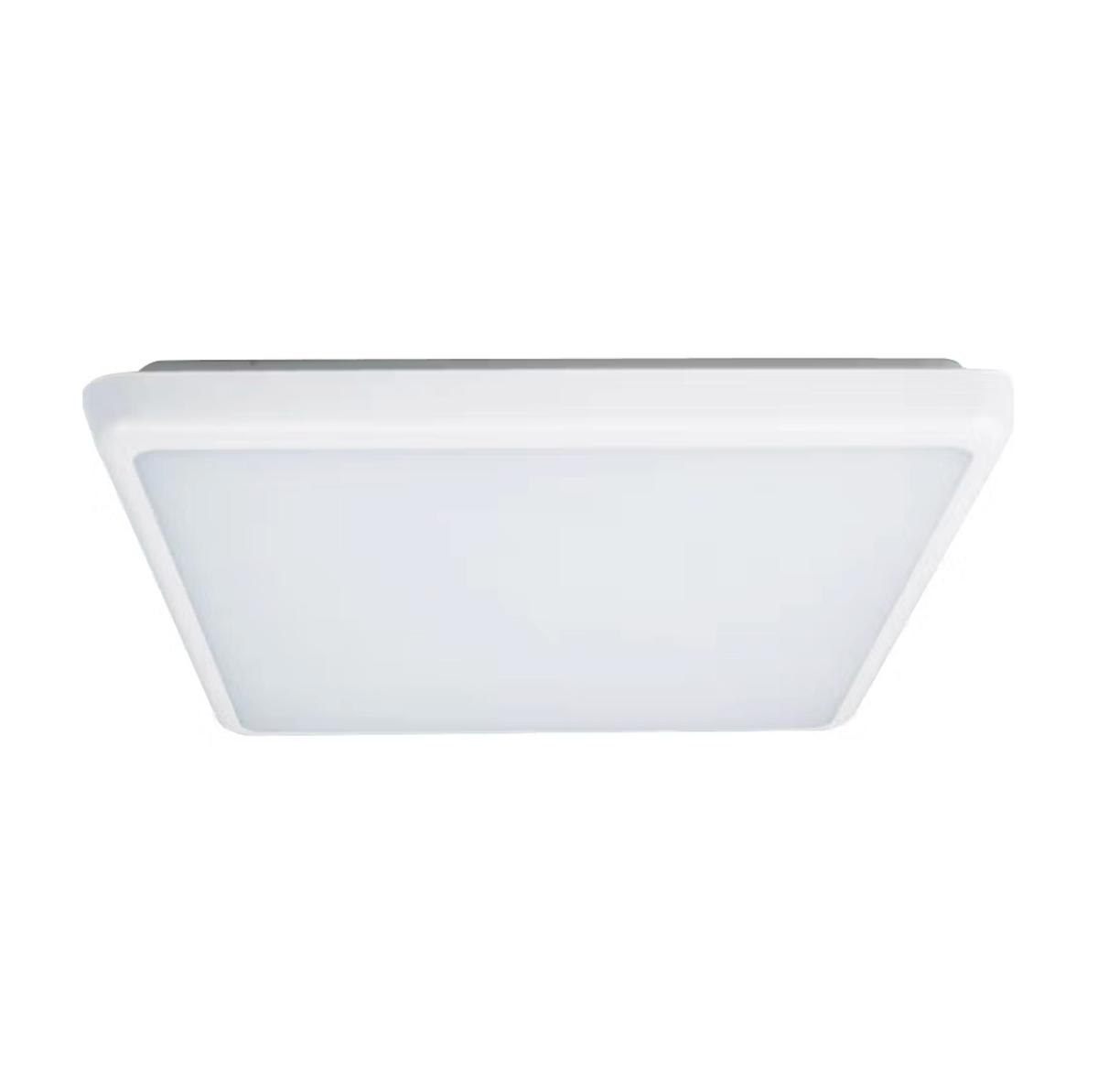
An IP rating tells you how well a fitting’s housing keeps out dust and water. Where the roof limits water exposure to occasional splashes, our IP54 Hikurangi ceiling light can suit the job. If you move it further under cover, check where the light falls. Someone standing at the door can cast a shadow across the lock, so look at the position from where your clients will actually stand.
Check rain and salt exposure on exterior walls
A few metres can change the specification. On Waiheke Island, for example, a terrace wall facing the Hauraki Gulf can catch wind-driven rain and salt spray while the covered entry stays dry.
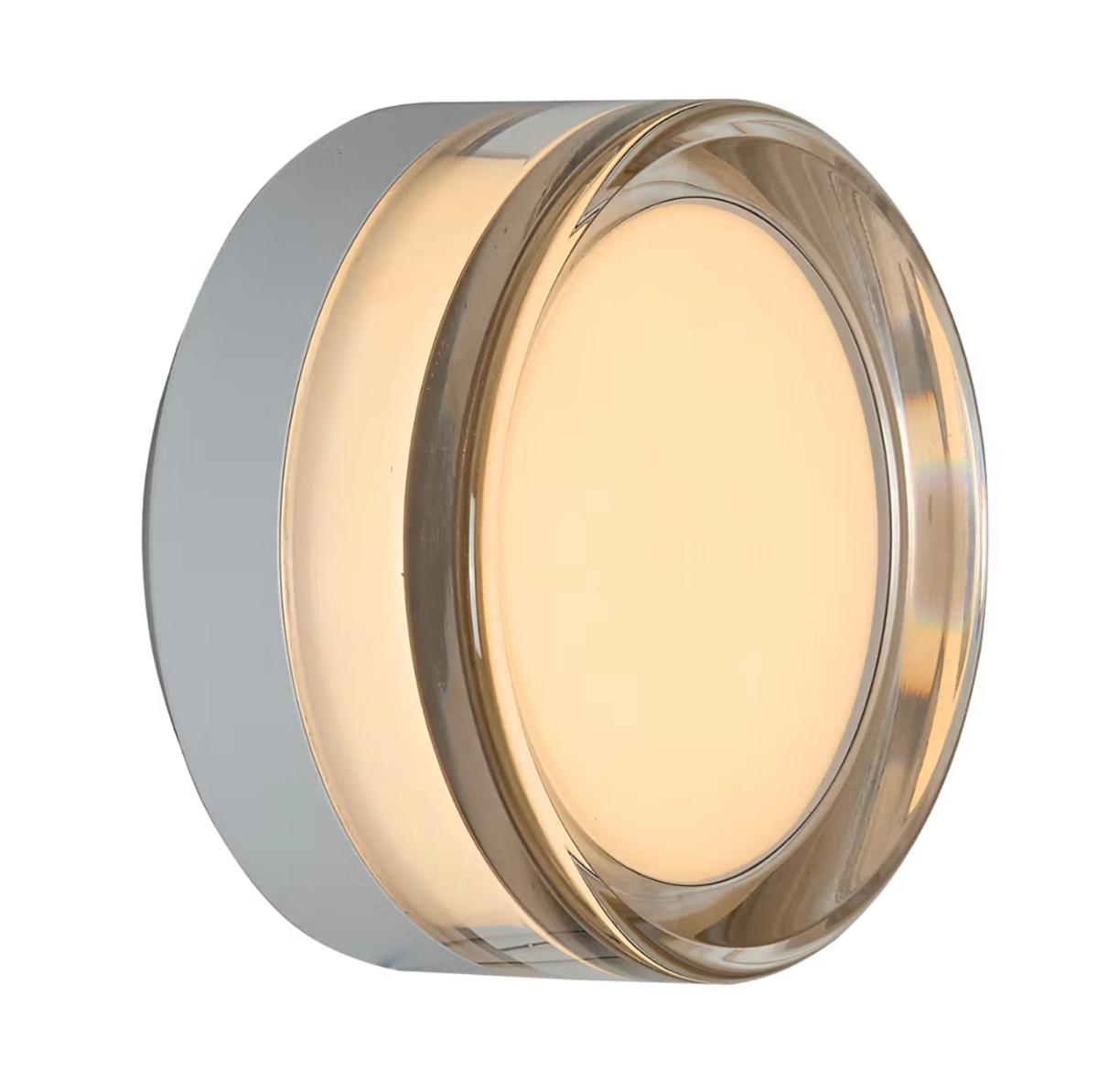
Our Totaranui wall light is rated IP65, which means its housing has been tested against water jets. It suits indoor and outdoor use, so you can carry the same design from the hallway to the terrace.
If salt spray reaches the wall, check with our team about suitable finishes, fixings and care for that location. Think about access when you set the mounting height. A light above an exterior stair can be awkward to clean or service once the job is finished. For more on this, read through our outdoor finishes guide.
Follow the water before you cut the deck
If you can visit after rain, look for puddles at the foot of steps and in low spots. If the deck is still on the drawings, work through the drainage with the builder. Water can run off a wall and collect around a recessed light directly below it.
If water could cover the fitting, move it, improve the drainage or choose a model approved for those immersion conditions. IP65 covers water jets. Standing water calls for a separate check.
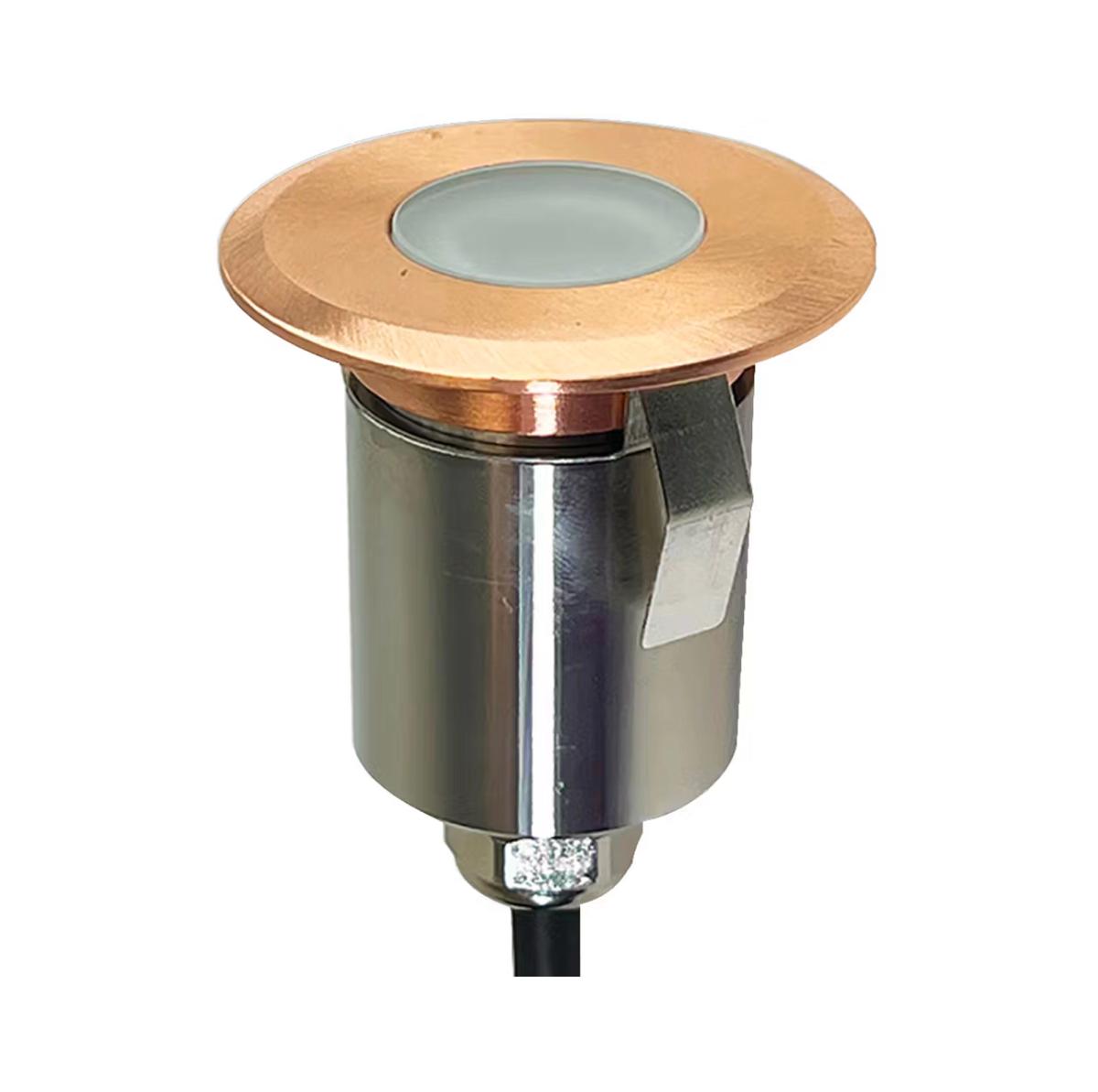
On a free-draining deck, our raw-copper Maketu gives a low, warm light that can mark an edge or a change of level. If you’re lighting steps, check that the light reaches the tread where someone will put their foot. Before the builder lays the boards, agree with the electrician on a spot for the driver, the unit that powers the light. Make sure they can reach it for servicing without lifting the deck.
Give garden lighting room to change
A spike spot can pick out a young tree at handover. Once the bed fills out, the surrounding foliage can block the beam. Check how wide the plants will grow, leave room to adjust the aim and keep the fitting clear of direct sprinkler spray.
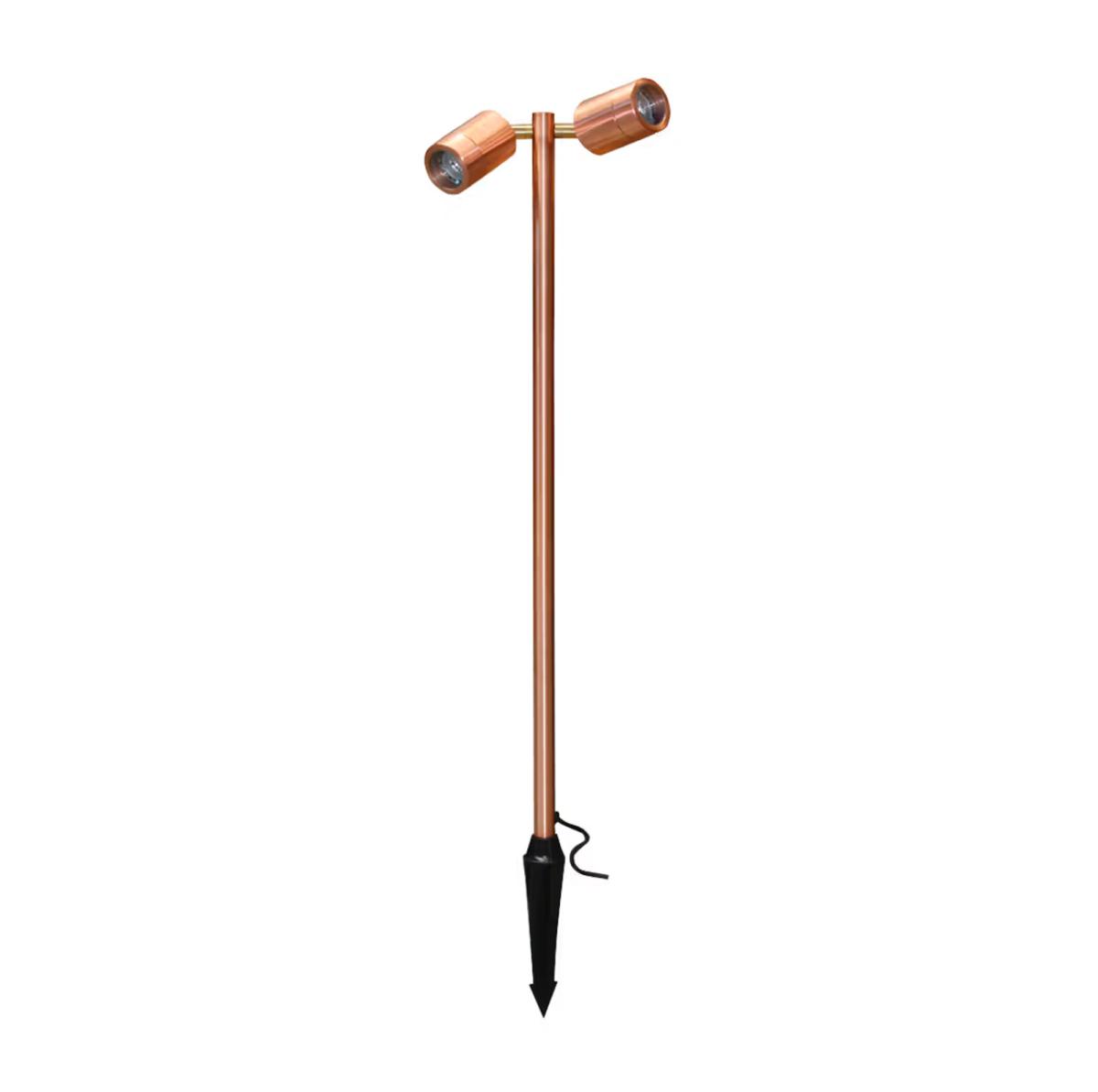
Our Huntly is an IP54 copper spike spot for garden positions where occasional splashes are the main water exposure. The copper darkens and develops a patina as it weathers. Show your clients how that finish can change over time, and include the separately ordered lamp and compatible driver in your specification.
Once the spot is in, check the aim after dark from the path and from inside the house. The beam can land exactly where you want it on the tree while the bright face of the fitting is still visible from the sofa. Adjust the aim from the places your clients will use.
Before you issue the lighting schedule for your next project, walk the proposed locations with the electrician and builder. Stand at the front door, look down the steps and check the view into the garden. If a light misses the tread, a fitting sits where water collects or a driver will be hard to reach, you can still change the plan.
Hikurangi
Designed for sheltered entries and covered outdoor areas, the Hikurangi is a slim ceiling light with an IP54 rating and three selectable colour temperatures. Its simple square design provides even light at the front door.
Totaranui
Designed for indoor and outdoor walls, the Totaranui is a dimmable IP65 wall light with three selectable colour temperatures.
It comes in black or white. Its compact, round design works just as well in a hallway as it does on a terrace.
Maketu
Designed to sit flush with the deck, the Maketu is a raw copper light that gives off a warm glow. It’s rated IP65 and requires a 350mA constant current driver.
Its low profile makes it a subtle way to mark deck edges and changes in level.
Huntly
Designed to highlight trees and planting, the Huntly is a copper garden spike spot with an IP54 rating. It runs on 12V DC and requires an MR16 lamp, sold separately.
The copper develops a natural patina over time, changing as the garden grows around it.
Stay Ahead with Prolux Partners
Get access to the latest Prolux products when you join Prolux Partners. As a member, you'll receive exclusive benefits, including specialised support and an extended product warranty period.
Prolux Partners is designed to support industry professionals like you in delivering top-quality lighting solutions to your clients. Make sure to also check out our extensive lighting range for your upcoming projects.
Stay informed about the newest projects, products, and technologies shaping the future of the lighting industry.
Our commitment to providing superior lighting solutions focusing
on quality, innovation, reliability, and customer satisfaction.